
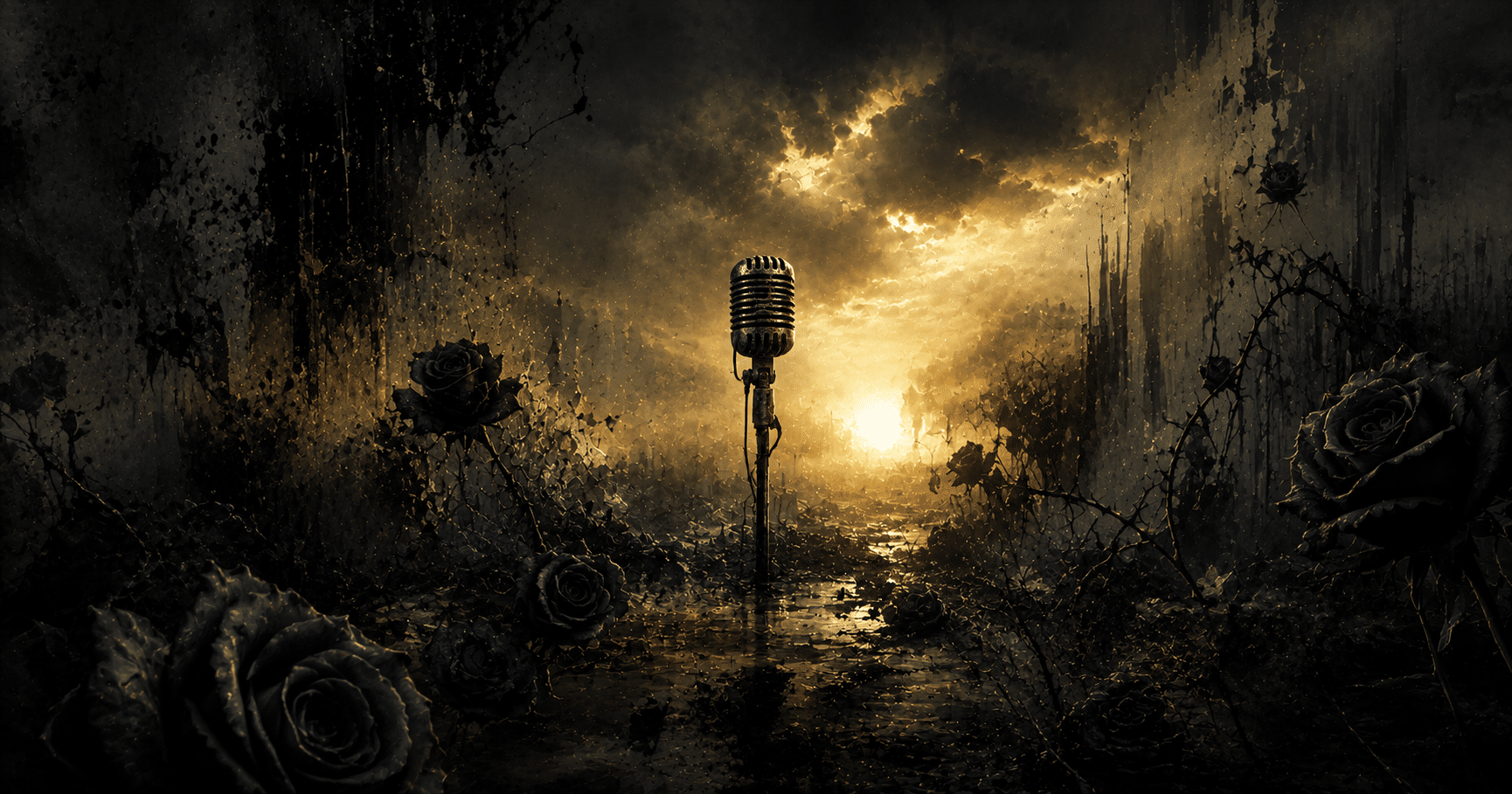
Before grunge changed the world, before Seattle became the center of rock music, and before millions knew the name Chris Cornell, four musicians were creating a sound that didn’t fit anywhere. It wasn’t heavy metal. It wasn’t punk. It wasn’t classic rock. It was darker, heavier, stranger, and more emotional than almost anything on the radio. That sound became Soundgarden, one of the pioneering bands of the Seattle music movement and one of the most influential rock bands of the last forty years.
The story began in Seattle during the mid-1980s, a city better known for rain than rock stars. Chris Cornell worked ordinary jobs to survive while pursuing music, including time at a seafood wholesaler. Guitarist Kim Thayil had moved to Seattle after college, bringing with him a love of Black Sabbath, Led Zeppelin, and experimental music. Bassist Hiro Yamamoto and drummer Matt Cameron rounded out a group that cared far more about creating something original than chasing commercial success. They rehearsed in small rooms, played tiny clubs, and built a loyal underground following long before the world knew what “grunge” even meant.
Unlike many bands of the era, Soundgarden wasn’t interested in looking glamorous. Their music reflected uncertainty, isolation, fear, anger, and the complicated emotions of everyday life. Their riffs were crushing, their rhythms unpredictable, and their lyrics often explored subjects that couldn’t be explained with simple answers. Above it all stood Chris Cornell, a singer blessed with one of the greatest voices in rock history. His range was extraordinary, capable of moving from a haunting whisper to a thunderous scream without losing emotion. He didn’t just sing songs—he seemed to live inside them.
Throughout the late 1980s, Soundgarden slowly built a reputation as one of Seattle’s most powerful live bands. Albums like Ultramega OK and Louder Than Love earned critical praise, but mainstream success remained elusive. That changed dramatically in 1991 with the release of Badmotorfinger. Songs such as “Rusty Cage,” “Outshined,” and “Jesus Christ Pose” introduced millions to a band unlike anything else on MTV. While Nirvana, Pearl Jam, and Alice in Chains were exploding into the mainstream, Soundgarden stood beside them as one of the architects of an entirely new movement.
Then came the album that changed everything.
Released in 1994, Superunknown transformed Soundgarden into international superstars. The album debuted at the top of the charts and produced unforgettable songs including “Black Hole Sun,” “Spoonman,” “Fell on Black Days,” and “The Day I Tried to Live.” The music was heavy, beautiful, unsettling, and deeply introspective. Chris Cornell’s songwriting often explored the hidden battles people fight inside themselves. While the melodies captivated listeners, the lyrics frequently wrestled with loneliness, identity, despair, and the search for meaning. Soundgarden proved that hard rock could be intelligent, poetic, and emotionally vulnerable at the same time.
Yet success carried its own weight.
Years of constant touring, creative pressure, exhaustion, and differing visions for the band’s future slowly created tension. By 1997, despite standing at the height of their popularity, Soundgarden announced they were breaking up. To many fans, it seemed impossible. One of the biggest bands in the world had simply walked away.
Chris Cornell refused to stop creating. He launched a successful solo career, exploring acoustic music, alternative rock, and deeply personal songwriting. Later, he joined former members of Rage Against the Machine to form Audioslave, creating another hugely successful chapter with songs like “Like a Stone,” “Cochise,” and “Show Me How to Live.” Once again, Cornell proved he was one of the rare artists whose voice could define an entire generation regardless of the band behind him.
In 2010, after more than a decade apart, Soundgarden reunited. Fans around the world celebrated what many believed would never happen. The band recorded new music, toured internationally, and released the album King Animal, showing they still possessed the chemistry that had made them legends.
Then came the night that shocked the music world.
On May 17, 2017, after completing what appeared to be another powerful concert in Detroit, Chris Cornell was found dead in his hotel room at the age of 52. His death was ruled a suicide. Fans struggled to understand how someone who had just delivered such an energetic performance could be gone only hours later. The loss sent shockwaves through the music industry. Tributes poured in from fellow musicians, friends, and millions of fans who had found comfort, strength, and understanding in his music.
Chris Cornell’s death also became a painful reminder of something many people still struggle to accept: incredible talent does not make someone immune to inner pain. Success cannot guarantee peace. Wealth cannot silence every battle. Applause cannot always drown out the quiet struggles taking place inside a person’s mind. Some of the brightest lights carry the deepest shadows.
The surviving members of Soundgarden chose to honor Cornell’s legacy rather than replace him. They have repeatedly expressed that Soundgarden was never simply a band—it was the unique chemistry of four musicians creating something together that could never truly be duplicated. His voice became inseparable from the songs they created.
Today, Soundgarden’s influence reaches far beyond Seattle. Countless musicians cite them as pioneers who expanded the boundaries of rock music. Their willingness to experiment with unusual rhythms, haunting melodies, and emotionally honest lyrics helped redefine what heavy music could become. Albums like Superunknown continue to inspire new generations who discover the band decades after its release.
The story of Soundgarden is ultimately about more than platinum records and sold-out arenas. It reminds us that behind every stage light is a human being. Behind every famous voice is a person carrying unseen burdens. The world often measures success by fame, awards, and money, but God looks much deeper. He sees the heart. He sees the hidden pain no audience can recognize.
Chris Cornell left behind one of the greatest voices rock music has ever known. His songs continue to echo through speakers around the world, speaking to people wrestling with loneliness, fear, hope, and perseverance. His life reminds us that checking on the people we love matters, that outward success never tells the whole story, and that every life has value far beyond applause.
As Scripture reminds us in 1 Samuel 16:7, “For the Lord does not see as man sees; for man looks at the outward appearance, but the Lord looks at the heart.” Sometimes the strongest voice in the room belongs to someone fighting the hardest battle no one else can hear.